Child security is not documents, it is a practice. It resides in the way a teacher captures a child's hesitation when asked about home, the way a trainer notices new bruises that do not match the story, or the way an OSHC instructor picks up on a pattern of absences and hunger. The Department of Education child protection training exists to transform those moments right into educated action. Passing the analysis issues, however confidence comes from recognizing what you are being asked to do and why it works. This guide draws on practical experience throughout schools, early childhood solutions, and neighborhood programs to help you approach your required child protection training with clearness, and to lug that quality right into day-to-day work.
The objective behind the modules
Every jurisdiction composes its own legislations and advice, yet the core task remains constant: determine and report kids and youngsters in danger. The CHCPRT025 system - Identify and report kids and young people in jeopardy - underpins much of the field's training, whether you take a CHCPRT025 online training child protection online training course, a blended CHCPRT025 training course, or an in-house division program lined up to neighborhood policy. The device's layout is deliberate. It pushes you to identify uncertainty from proof, to separate individual ideas from indications, and to utilize coverage paths responsibly.
If you work in a college or very early knowing service, your division of education child protection training or child protection training course is not just a check box for compliance. It is the operating handbook for the situations you will only experience a few times in your career, yet which bring long-lasting effects for the youngster. A thoughtfully delivered child protection understanding training program creates muscle memory: you identify indicators, you tape exactly, you report promptly, and you keep selecting assistance strategies while services do their work.
What assessors are truly checking
Assessment for child protection programs is hardly ever about memorising acronyms. The pens seek four routines that signal you can exercise safely:
First, exact acknowledgment. Can you name typical physical and behavioral indications without leaping to conclusions or lessening clear indications? Do you recognize cumulative damage, where each little problem alone appears small however together creates a pattern?
Second, legal and policy-aligned reporting. Do you know whether you are a mandatory reporter, who to alert, and the timeframe? Can you describe the distinction between child protection, police, and internal management acceleration? In some states, you call the child protection hotline straight. In others, you document and raise with a principal, solution director, or safeguarding lead that makes the official record. Your training will certainly establish this out.
Third, sound documents. A great child protection training course drills the discipline of composing what you see, hear, and fairly infer. Vague notes cost time and reduce the possibility of timely intervention.
Fourth, child-centred interaction. Can you speak with a child in age-appropriate language, prevent leading concerns, and ensure instant security without promising discretion you can not keep?
If you construct these habits, the CHCPRT025 certification or any child protection training certificate ends up being a pen of preparedness, not just a documents note for HR.
The lawful and moral framework that shapes decisions
Mandated reporting is a legal responsibility in several education roles. The limit for uncertainty is sensible grounds, which does not call for certainty. The educator's task is to see and report, not to investigate. When conflict develops in between commitment to a family members and your obligation to the youngster, the law is clear that the child's security takes concern. Privacy is restricted; you should not tell anyone past those who require to understand for the kid's safety and security and the reporting process.
Ethically, you stabilize harm minimisation and dignity. That means preparing supervision and practical assistance so a kid is not laid off after disclosing, however likewise protecting their personal privacy. It implies resisting the urge to face a parent when emotions run high, due to the fact that you might unwittingly put the youngster at further risk or undermine an examination. Professional judgment stays in these small, disciplined choices.
How to examine for CHCPRT025 training without squandering time
People come to CHCPRT025 child protection training with different backgrounds. A new instructor may be discovering interpretations for the very first time. An experienced instructor might need updates for child protection training 2025 and plan changes. Either way, preparation can be effective and focused.
Read the unit components and performance requirements. For CHCPRT025 identify and report kids and youngsters in jeopardy, the aspects generally map to identifying indicators, reacting appropriately, recording accurately, and adhering to reporting procedures. Use those headings as a mental scaffold as you relocate with the child protection online training.
Tie theory to aesthetic memory. Build a brief bank of sensible vignettes in your head, attracted from practice or case studies in the child protection program. For example, a nine-year-old frequently comes to school without lunch, shows up drowsy, and has neglected dental problems, but reveals pleasure when given structure and food. Separately, a teenager disengages instantly after a brand-new adult steps into the home and starts asking to remain late at school. When evaluation requests for indications or feedbacks, anchor your response to these scenarios.
Stay close to your regional policy. The division of education child protection training will certainly point to state or area specifics. Conserve the hotline number and reporting portal to your phone. Know the inner acceleration chain by name and role, not just title. The best CHCPRT025 course providers help you incorporate national expertise with neighborhood procedure, however you ought to still cross-check.
Prepare your documents behaviors. If your service makes use of a theme for child protection coverage, method loading it with sample information. Also 5 minutes of completely dry runs boosts rate and precision when actual occasions occur.
Passing the evaluation: what strong responses look like
A solid response in a study does 3 points. It explains indications in specific, neutral language. It describes actions that line up with plan. It explains why those steps matter for the kid's safety.
Consider a situation where a child discloses that their step-parent hits them with a belt. Weak solutions claim, "I would certainly comfort the youngster and talk to the moms and dad." Solid answers explain, "I would stay with the kid in a calm room, thank them for informing me, prevent penetrating questions, and not promise privacy. I would videotape the youngster's exact words with time, date, and who existed. I would certainly inform the school's assigned protecting lead immediately and follow the required child protection training path to report to child protection solutions the exact same day, offered the accusation of physical damage with a carry out." That is specific, useful, and policy-aligned.
Where the truths are unclear, your reasoning supports the mark. If a kid gets here with a bruise from weekend break sport however additionally shows rising anxiety about going home, it is practical to claim, "While the bruise has a probable description, the cumulative indications of anxiety and behavioral adjustment meet my limit to consult the guarding lead and paper problems."
Recognising indicators without guesswork
Indicators fall into physical, behavioral, and environmental classifications. The CHCPRT025 training helps you different myths from proof. Physical indicators include swellings in protected locations, constant inexplicable injuries, untreated medical problems, or indicators of overlook like persistent poor health. Behavioral indications consist of sexualised practices outside developing norms, unexpected regression, hypervigilance, or significant withdrawal. Ecological indicators consist of residential physical violence in the home, caregiver substance misuse, unpredictable housing, or exposure to violent on-line content.
Edge situations prevail. Cultural methods around discipline, co-sleeping, or dietary limitations need social proficiency. That means asking informed questions within your function and utilizing interpreters or cultural liaison employees where readily available, not making assumptions. Bench does not transform: if you have sensible premises to presume harm or threat of harm, you report. Cultural sensitivity and youngster safety go together, not in opposition.
Documentation that stands under scrutiny
Good notes are a gift to everybody that follows you at the same time. They enable caseworkers and cops to act without re-traumatising a child through duplicated questioning. They also protect you and your service.
Write what you see and hear, not what you believe. "Youngster specified, 'Mum's boyfriend struck me with the belt last night since I spilled sauce,' while indicating the rear of the left upper leg. 11:15 am, reviewing edge, Area 12. Present: Ms Patel, Mr Jones." Avoid discourse like "appeared over used" or "family is disorderly." Rather, include accurate details: times, days, witnesses, straight quotes, and descriptions of injuries with place and size if disclosed or visible.
Store notes firmly. Follow your solution's policies for personal documents. Do not keep personal copies on phones or note pads. If you slipped up in a record, do not eliminate it. Strike with, initial, and correct so the adjustment shows up and traceable.
Reporting paths and what takes place next
After you report, you may listen to nothing for a long time. That can feel frustrating or distressing. Keep in mind that as soon as a report is lodged, child protection solutions triage based upon risk. They might currently have a background on the family members. Your new information could tip the equilibrium towards a see or add weight to a pattern. The authorities come to be entailed if a crime is affirmed or prompt safety calls for it.
Your function is not finished. Maintain sustaining the kid within your setting. Preserve routine, display health and wellbeing, and proceed keeping in mind pertinent monitorings. Do not ask the child for updates on the case. If the family members approaches you with inquiries, refer them to the suitable get in touch with named in your policy, and stay clear of talking about details beyond what the division allows.

Sensitive discussions with children
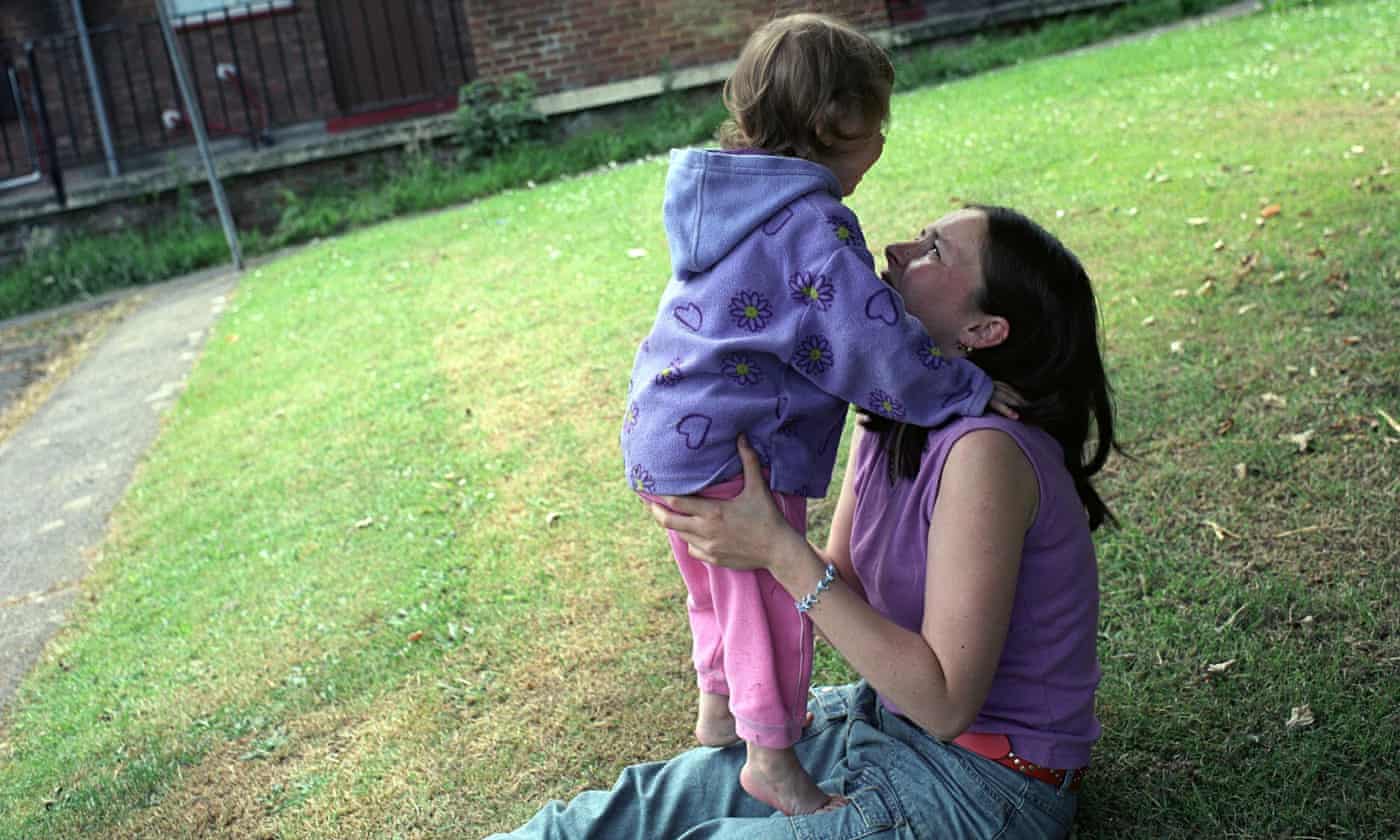
The conversation you have in the initial mins after a disclosure can form a child's readiness to approve assistance. Aim for tranquil empathy and clear boundaries. Say thanks to the child for sharing. Use open prompts like "Tell me more regarding that" and "Exists anything else you desire me to know?" Prevent "why" questions that indicate blame or inquiries that provide information the youngster has actually not stated, as that risks contaminating evidence.
Do not guarantee privacy. Assurance security and action instead: "I respect your security, and I require to inform people whose task it is to aid maintain you safe." Keep the child in a supervised, comfortable area without making it seem like an apprehension. Allow them select a relied on adult to remain with them if possible.
Working with family members while honouring your duty
Families might respond with shock, temper, alleviation, or embarassment. Some will certainly be happy that somebody discovered and supplied assistance. Others will feel intimidated. Your training will direct whether and when to notify moms and dads or carers. In lots of jurisdictions, if there is a danger that telling a caretaker will certainly increase risk to the child or jeopardize an investigation, you do not alert them prior to reporting.
When you do talk to households, hold to respectful, accurate language. Concentrate on observed issues and the actions your service is taking under policy. Deal support where proper, such as attaching them to parenting programs, coaching, or monetary aid channels. Avoid moralising. You can not fix every little thing in one discussion, however you can stay clear of making it worse.
Common mistakes that cost marks - and exactly how to stay clear of them
Assessment traps mirror real-world pitfalls. People in some cases minimize worries because they are afraid upseting families or becoming involved in problem. They exceed by challenging claimed perpetrators. They compose obscure notes. They count on associates to report, after that stop working to inspect that it happened.
A practical repair is to embrace 2 easy techniques. Initially, if you have a practical suspicion, treat it as your own to act upon, also if you also rise internally. Second, if you write it down, visualize it on the desk of a caseworker who has actually never met you or the youngster. Would that person understand what occurred, when, and why it matters?
Selecting a training carrier and mode
Not all child protection programs are produced equivalent. If you are taking a CHCPRT025 course via a registered training organisation, verify that it causes a CHCPRT025 certification that meets your employer's needs. Look for assessments that utilize practical scenarios, duty plays, or reflective questions instead of just multiple-choice quizzes. A CHCPRT025 online training course can work well if it consists of interactive instance job, solid responses, and a clear web link to your local coverage procedure. For brand-new teachers in early understanding or OSHC, take into consideration a child protection course for childcare that mixes CHCPRT025 with sector-specific circumstances, due to the fact that the developmental lens in the very early years modifications exactly how you interpret practices and disclosures.
Department-provided programs commonly integrate plan and procedure directly into the knowing. If your company mandates a specific program, you can still supplement it with a different child protection training course to acquire the nationwide unit. The mix of a division of education child protection training pathway and a nationally acknowledged CHCPRT025 training offers you both the lawful and local context and a portable credential.
Practical preparation list for assessment day
- Know your neighborhood limits and reporting contacts, consisting of after-hours numbers. Practice composing a short factual document from an example circumstance without viewpoint or leading language. Memorise a child-safe action to disclosure: give thanks to, pay attention, avoid leading inquiries, describe restrictions of discretion, guarantee prompt safety and security, report. Review indicators across physical, behavioral, and ecological domains, including advancing damage and brushing behaviours. Map your inner escalation: that you tell, how you tell them, and what to do if they are unavailable.
What 2025 gives child protection training
Each year, child protection training updates track adjustments in law, electronic risk, and method. Child protection training 2025 areas more powerful emphasis on online harm, image-based abuse, and grooming that starts in games or social networks. Educators need not be cybersecurity experts, but they should acknowledge warnings like secretive online relationships, sudden belongings of pricey items, or modifications in rest patterns linked to late-night messaging.
There is likewise a sharper concentrate on trauma-informed technique. It is inadequate to identify injury; you have to avoid re-traumatisation via sudden adjustments in routine, punitive reactions to dysregulated behavior, or fragmented changes in between classes and solutions. Training progressively anticipates you to fold up injury recognition into class management, play ground duty, and parent meetings.
Finally, social what to learn in chcprt025 course safety is relocating from a box-tick to a technique criterion. For Indigenous and Torres Strait Islander kids, migrant and refugee families, or children with disability, safety and security includes regular regard for identification and area. This impacts just how you get in touch with, that you bring right into discussions, and how you interpret practices within wider contexts of discrimination or intergenerational trauma. Robust child protection understanding training addresses these crossways so you can show both firmness and humility.
A short case study from the field
A Year 7 pupil, typically friendly, began arriving late, avoiding PE, and putting on a hoodie even in cozy weather condition. Over three weeks, her scientific research instructor videotaped three different discussions where the student discussed "disliking weekend breaks." On a Monday, she asked to remain in the library at lunch. The instructor, making use of previous child protection training, did not push for reasons yet provided a peaceful space and kept in mind the pattern. When the trainee ultimately stated, "He angers when we're loud," the instructor thanked her, avoided leading concerns, and involved the school's protecting lead. The lead evaluated the documented pattern, contacted child protection solutions, and set up guidance and counselling support at school.
There was no dramatic disclosure, just tiny pieces accumulated in a regimented means. That is commonly how securing works. The training was not concerning dramatization. It was about diligence.
Building a child-safe society around the specific report
A single record helps a single child. A child-safe culture helps many. That society expands when leaders assign time for refresher course learning, when team usage shared language from their child protection training course, and when brand-new hires are supported to finish their child protection training certification within their very first weeks. It reinforces when your service layouts basic, noticeable treatments, like a one-page flowchart by the staffroom phone and a laminated list of hotline numbers in the office.
Several schools I have worked with set aside 5 mins in every staff conference for a guarding micro-topic: just how to phrase non-leading concerns, what to do if a moms and dad asks to see your notes, or just how to take care of disclosures throughout adventures. Those minutes maintain the expertise alive. They additionally lower the isolation educators feel after a record, because every person comprehends the process and has a common principles of care.

Final thoughts: self-confidence comes from practice, not bravado
People often claim they really feel nervous regarding child protection assessments. That is reasonable. The subjects are heavy and the risks are high. Self-confidence does not mean never really feeling nervous. It suggests having actually practiced the key actions until they are trustworthy, even on a difficult day.
Treat your CHCPRT025 child protection training and department program as wedding rehearsal for truth. Learn the indicators, exercise the language, tighten your notes, and commit the coverage path to memory. When the real moment arrives, you will not be scrambling to keep in mind where to click or whom to call. You will do what you exercised, calmly and with function. The kid before you should have that steadiness, and your training is developed to aid you supply it.